The Model Wasn't the Headline
Anthropic shipped Claude Tag and OpenAI expanded Daybreak in the same week, and in both the product was a workflow install, not a new model.
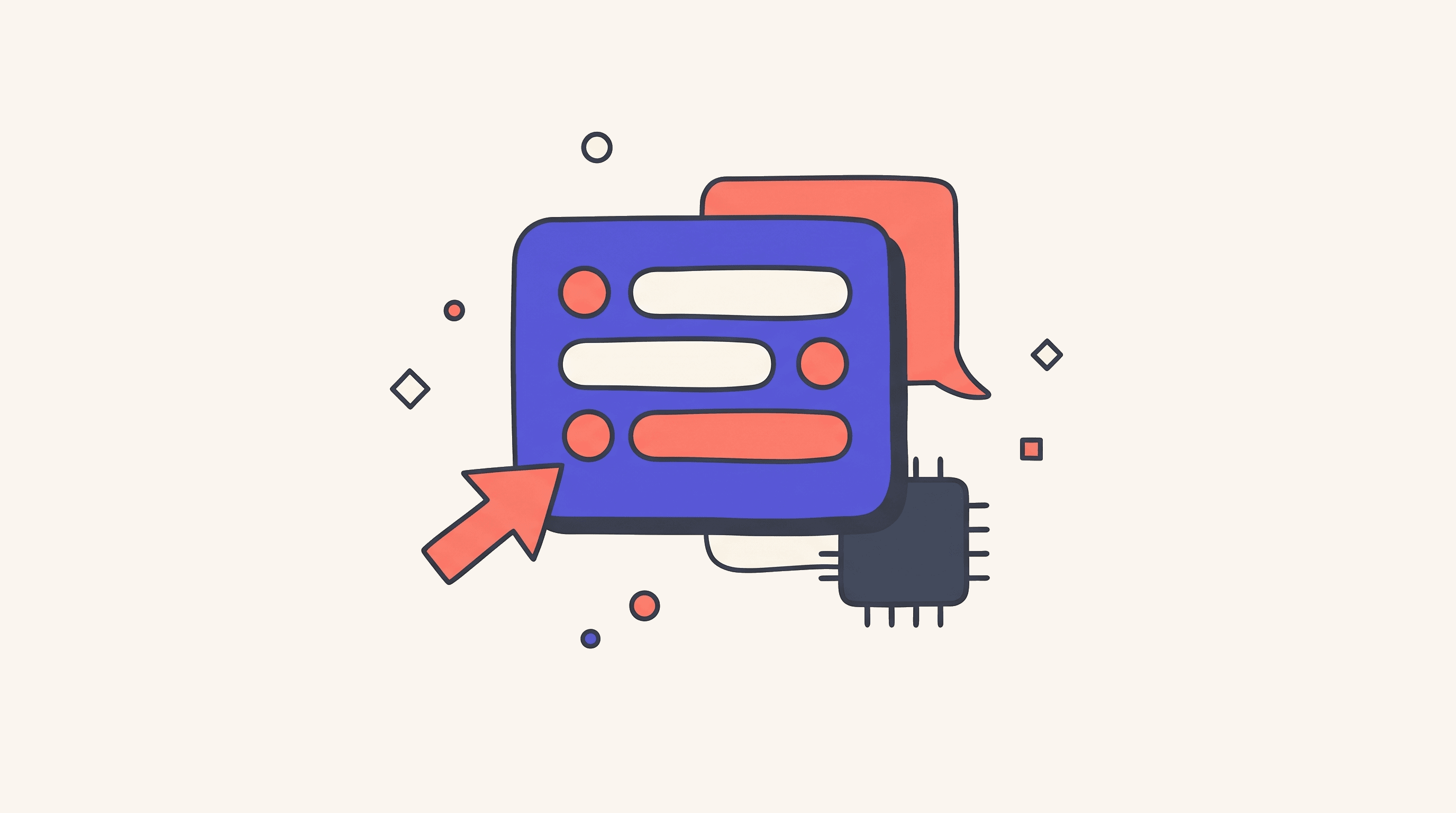
Two of the largest AI labs shipped a product this week, and in neither announcement was the product a model. Anthropic introduced Claude Tag on June 23, an @Claude install on Slack where Claude joins channels as a team member that anyone can hand a task to. One day earlier, OpenAI expanded its Daybreak program with the full release of GPT-5.5-Cyber, a Codex Security update, the Patch the Planet open-source initiative, and a Cyber Partner Program. In both releases the news is the workflow shape, not the capability frontier.
The disclosures behind each ship were specific. Claude Tag is in beta for Enterprise and Team customers, runs on Opus 4.8 underneath, and replaces Anthropic's existing Claude in Slack app. Anthropic also disclosed that 65% of its product team's code is now written through the internal version of the tool. Daybreak's GPT-5.5-Cyber scored 85.6% on CyberGym against 81.8% for the standard model. Codex Security has scanned 30 million commits across 30,000 codebases since March, logging 500,000 findings as fixed. Patch the Planet enrolled 9 open-source projects with Trail of Bits, including cURL, Go, and Python. CrowdStrike, Sophos, and Fortinet now ship GPT-5.5-Cyber inside their own products.
Look at what's absent from both announcements. Neither lab named a new flagship model, and neither headline led with a benchmark. Anthropic's announcement spends most of its language describing how a team tags @Claude inside a Slack channel and what tools the model gets access to. OpenAI's announcement names CrowdStrike, Sophos, and Fortinet before it names a model. Both read more like enterprise software install guides than frontier capability releases.
Frontier model capability stopped being the bottleneck for most of the work teams want to ship. Anthropic, OpenAI, and Google all sit inside a tight band on every public benchmark, leadership rotates each quarter, and the model layer is at "good enough" for most teams' work. Integration is what's left to compete on. Claude Tag answers where an agent lives and what tools it can touch. The equivalent for Daybreak is what AI defending against AI looks like when it's plumbed into the security stack a company already runs. The model is what runs underneath.
This shift isn't permanent. Anthropic's Fable 6 and OpenAI's GPT-6 are already on the runway, and when each ships, the capability headline will return for a quarter. Workflow products run on whatever model is current, though, and once a team's install settles into a Slack channel or a partner SOC, the model behind the install becomes swappable in a way it isn't right now. The integration surface is what teams will be stuck with going forward, not the model.
Buyers now ask questions in a different order. The procurement question used to start with which model leads; this week it starts with which install fits the team. A solo developer or three-person team picks the install that sits where the work already happens. A 200-seat company picks the integration surface that matches its existing security or productivity stack. The model behind each install matters less than the install itself, because the lab is going to swap the model in over time anyway.
Lab strategy runs through the install layer now. By the time the next model card drops, the workflow product will already be inside the org.
What to Do With This
If you're picking AI tooling as an individual or a small team, look at where the agent will actually live and what existing channel or stack it sits in. The Slack-tagged agent and the security-vendor partner integration aren't substitutes; they answer different workflow questions. Pick the one your team already runs in.
If you lead a team that uses AI across several workflows, name the single workflow you'd most want an autonomous teammate inside. The lab whose product fits that workflow is your default pick for the next quarter, regardless of which model leads the next benchmark.
If you own procurement at any scale, install shape and integration surface are now the lock-in. Run the procurement question through "which lab's workflow matches our org" before "which model is best." The model is what your lab is going to swap out; the install is what stays.
Want More Than This Newsletter?
Alcreon publishes a daily AI briefing, long-form dossiers, and an analysis feed for the teams actually shipping AI in production. This newsletter is one read out of the full library.
Read the daily feed or browse the editorials.
Also on the Radar
xAI Adds Self-Verifying Coding to Grok Build
xAI released /goal on June 22, a Grok Build mode where the agent runs a coding task end-to-end and verifies its own output before finishing. xAI joins Anthropic and OpenAI in shipping verifier-included autonomous coding, which lands /goal in the same workflow-not-models pattern.
Five Eyes Intelligence Services: The AI Cyber Timeline Is "Months, Not Years"
On June 22, the Five Eyes intelligence services (NSA, CISA, and counterparts in the UK, Canada, Australia, and New Zealand) warned that "the timeline is not years, it is months" for frontier AI to reshape cyber capabilities. The procurement cover for security teams buying AI-defense products like Daybreak and Glasswing just got written by five Western governments on a single news cycle.
Share
Read Next
See all
Echo
Where the Architects Went
Noam Shazeer left Google for OpenAI and John Jumper for Anthropic in one week, a senior-hire signal that previews lab capability before the leaderboards do.
Echo
Nine Minutes, No Humans
What took a human team six hours, Anthropic's Opus 4.7 did alone in a robotics test.
Echo
Cursor Now Has a Model
On June 16 SpaceX filed an 8-K announcing an all-stock acquisition of Anysphere, the company that operates Cursor, at a $60 billion equity value.